
A Short History of Progress
by Ronald Wrightliterary work· published 2004
Shop for this title via the links below.
Palaeolithic hunters who learnt how to kill two mammoths instead of one had made progress. Those who learnt how to kill 200 by driving a whole herd over a cliff had made too much. Many of the great ruins that grace the deserts and jungles of the earth are monuments to progress traps, the headstones of civilisations which fell victim to their own success. The twentieth-century´s runaway growth has placed a murderous burden on the planet. A Short History of Progress argues that this modern predicament is as old as civilisation. Only by understanding the patterns of progress and disaster that humanity has repeated since the Stone Age can we recognise the inherent dangers, and, with luck, and wisdom, shape its outcome.
Adaptations (1)
A Short History of Progress was adapted into a 2011 film.
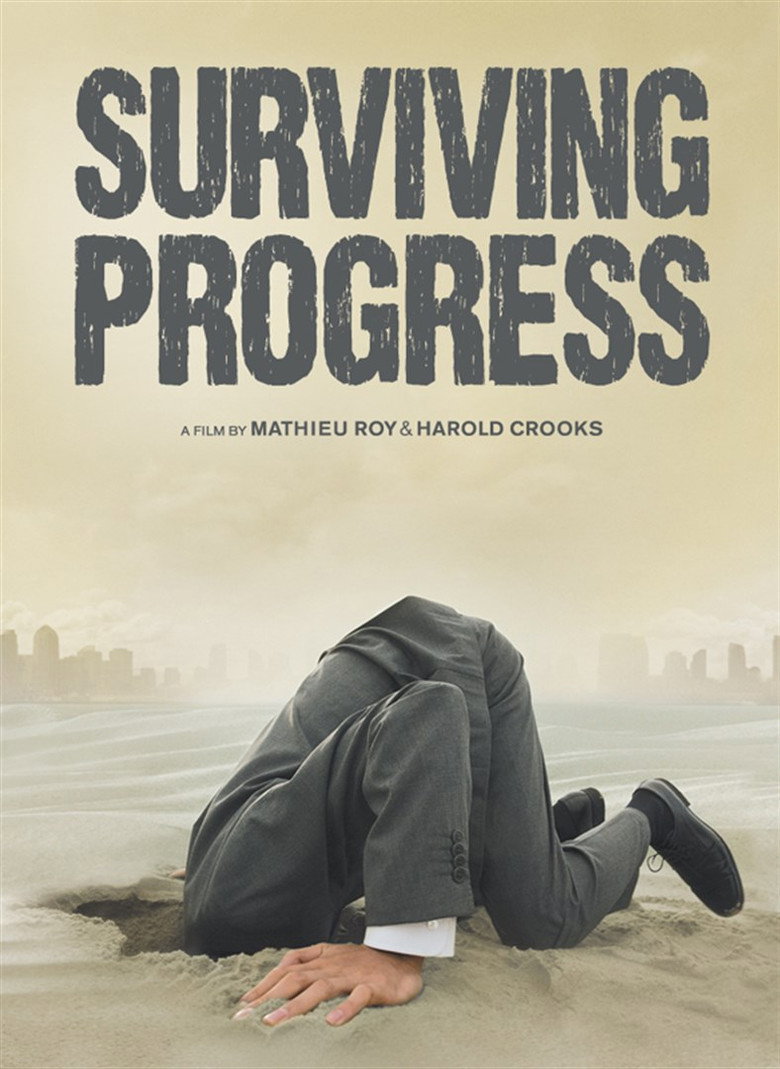 Surviving Progress2011 · film · 86 min · dir. Mathieu Roy, Harold Crooks · IMDb ↗
Humanity’s ascent is often measured by the speed of progress. But what if progress is actually spiraling us downwards, towards collapse? Ronald Wright, whose best-seller, “A Short History Of Progress” inspired “Surviving Progress”, shows how past civilizations were destroyed by “progress traps”—alluring technologies and belief systems that serve immediate needs, but ransom the future. As pressure on the world’s resources accelerates and financial elites bankrupt nations, can our globally-entwined civilization escape a final, catastrophic progress trap? With potent images and illuminating insights from thinkers who have probed our genes, our brains, and our social behaviour, this requiem to progress-as-usual also poses a challenge: to prove that making apes smarter isn’t an evolutionary dead-end.
