
Carousel
by Richard Rodgers, Oscar Hammerstein IIplay· published 1945
Shop for this title via the links below.
Carousel is the second musical by the team of Richard Rodgers (music) and Oscar Hammerstein II (book and lyrics). The 1945 work was adapted from Ferenc Molnár's 1909 play Liliom, transplanting its Budapest setting to the Maine coastline. The story revolves around carousel barker Billy Bigelow, whose romance with millworker Julie Jordan comes at the price of both their jobs. He participates in a robbery to provide for Julie and their unborn child; after it goes tragically wrong, he is given a chance to make things right. A secondary plot line deals with millworker Carrie Pipperidge and her romance with ambitious fisherman Enoch Snow. The show includes the songs "If I Loved You", "June Is Bustin' Out All Over" and "You'll Never Walk Alone".
Adaptations (2)
Carousel has been adapted 2 times, across film and television film, from 1956 to 1967.
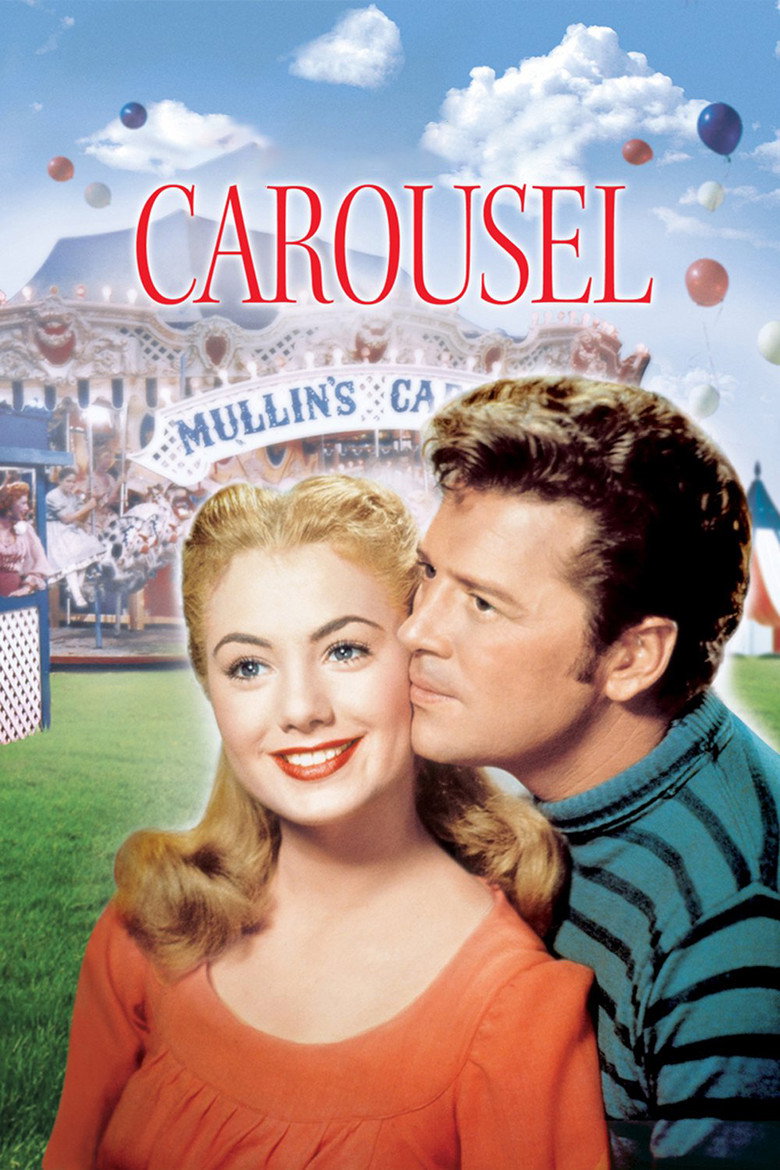 Carousel1956 · film · 128 min · dir. Henry King · IMDb ↗IMDb6.663%
Billy Bigelow has been dead for 15 years. Now outside the pearly gates, he long ago waived his right to go back to Earth for a day. He has heard that there is a problem with his family: namely with his wife Julie Bigelow, née Jordan, and his child he hasn't met. He would now like to head back to Earth to assist in rectifying the problem; but before he may go, he has to get permission from the gatekeeper by telling him his story. Adapted from the Rodgers and Hammerstein hit Broadway musical.
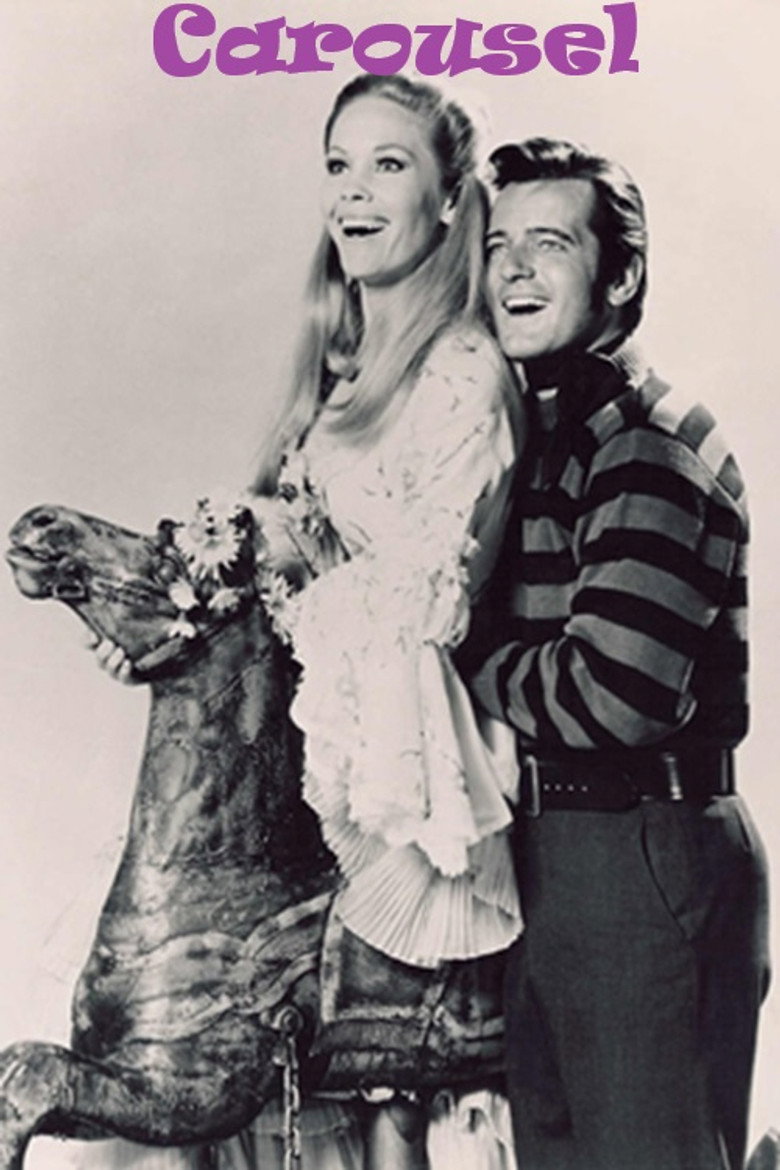 Carousel1967 · television film · 100 min · dir. Paul Bogart · IMDb ↗IMDb7.2
In a Maine coastal village toward the end of the 19th century, the swaggering, carefree carnival barker, Billy Bigelow, captivates and marries the naive millworker, Julie Jordan. Billy loses his job just as he learns that Julie is pregnant and, desperately intent upon providing a decent life for his family, he is coerced into being an accomplice to a robbery. Caught in the act and facing the certainty of prison, he takes his own life and is sent 'up there.' Billy is allowed to return to earth for one day fifteen years later, and he encounters the daughter he never knew. She is a lonely, friendless teenager, her father's reputation as a thief and bully having haunted her throughout her young life. How Billy instills in both the child and her mother a sense of hope and dignity is a dramatic testimony to the power of love.

