
The Last Days of Pompeii
by Edward Bulwer-Lyttonliterary work· published 1834
Shop for this title via the links below.
The Last Days of Pompeii is a novel written by Edward Bulwer-Lytton in 1834. The novel was inspired by the painting The Last Day of Pompeii by the Russian painter Karl Briullov, which Bulwer-Lytton had seen in Milan. It culminates in the cataclysmic destruction of the city of Pompeii by the eruption of Mount Vesuvius in AD 79. The novel uses its characters to contrast the decadent culture of 1st-century Rome with both older cultures and coming trends. The protagonist, Glaucus, represents the Greeks who have been subordinated by Rome, and his nemesis Arbaces the still older culture of Egypt. Olinthus is the chief representative of the nascent Christian religion, which is presented favourably but not uncritically.
Adaptations (1)
The Last Days of Pompeii was adapted into a 1959 film.
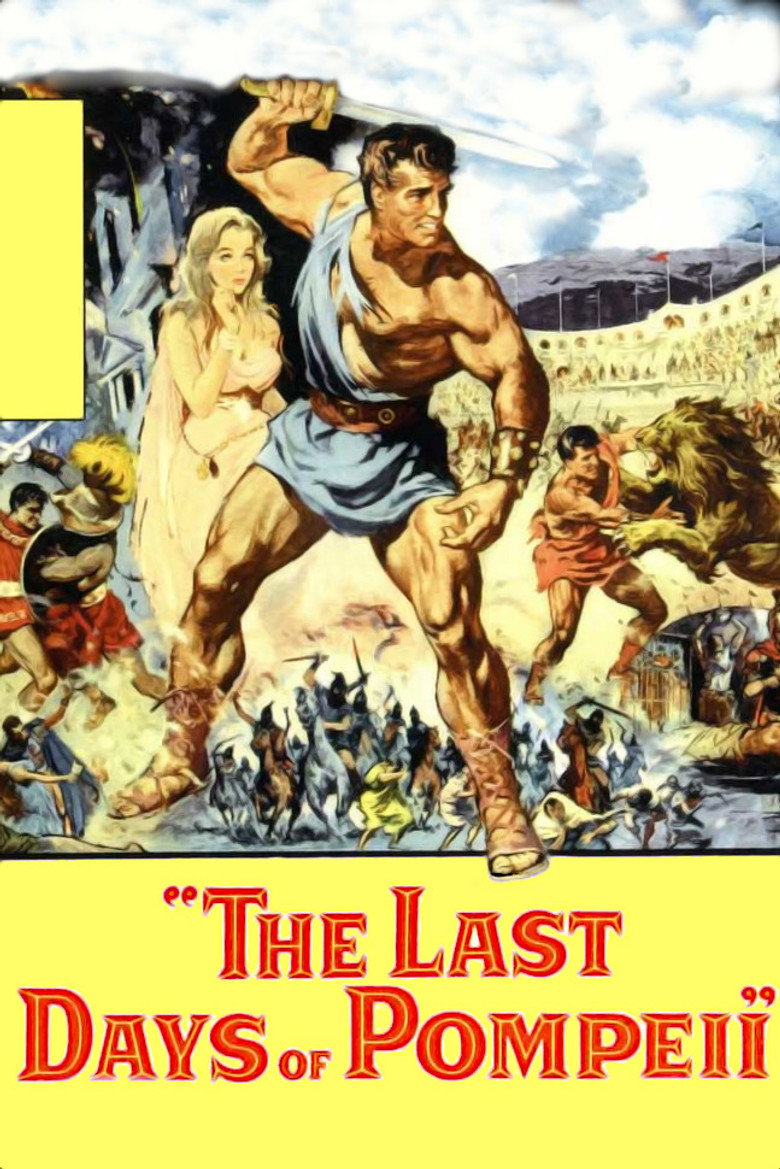 The Last Days of Pompeii1959 · film · 103 min · dir. Mario Bonnard · IMDb ↗IMDb5.6
Glaucus, a demobilized centurion returns home to Pompeii to find his father murdered by a gang of black-hooded Christian robbers that terrorizes the city and he decides to investigate the matter while the nearby volcano threatens to erupt.
