
Written over a seven-year period, from 1914 to 1921, this book has survived bowdlerization, legal action and controversy. The novel deals with the events of one day in Dublin, 16th June 1904, now known as "Bloomsday". The principal characters are Stephen Dedalus, Leopold Bloom and his wife Molly. Ulysses has been labelled dirty, blasphemous and unreadable. In a famous 1933 court decision, Judge John M. Woolsey declared it an emetic book-although he found it not quite obscene enough to disallow its importation into the United States-and Virginia Woolf was moved to decry James Joyce's "cloacal obsession". None of these descriptions, however, do the slightest justice to the novel.
Adaptations (2)
Ulysses has been adapted into 2 films, from 1967 to 2003. The most recent is Bloom (2003).
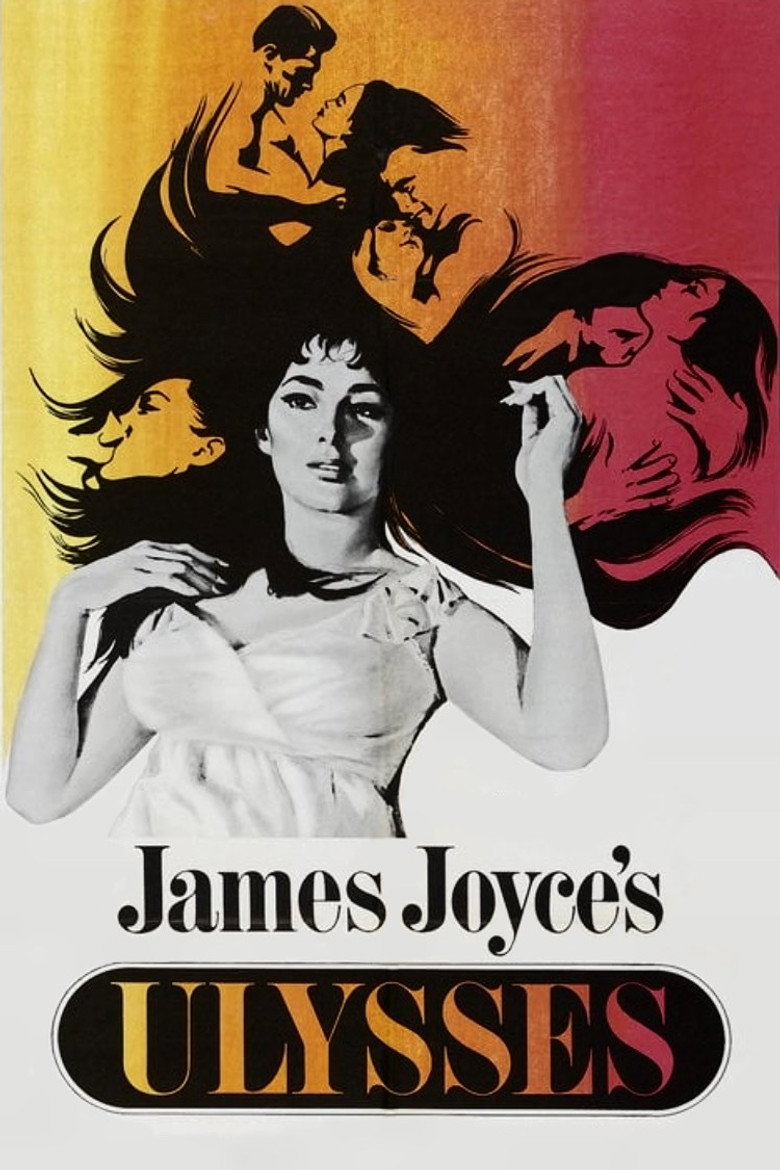 Ulysses1967 · film · 123 min · dir. Joseph Strick · IMDb ↗IMDb6.591%
Dublin; June 16, 1904. Stephen Dedalus, who fancies himself as a poet, embarks on a day of wandering about the city during which he finds friendship and a father figure in Leopold Bloom, a middle-aged Jew. Meanwhile, Bloom's day, illuminated by a funeral and an evening of drinking and revelry that stirs paternal feelings toward Stephen, ends with a rapprochement with Molly, his earthy wife.
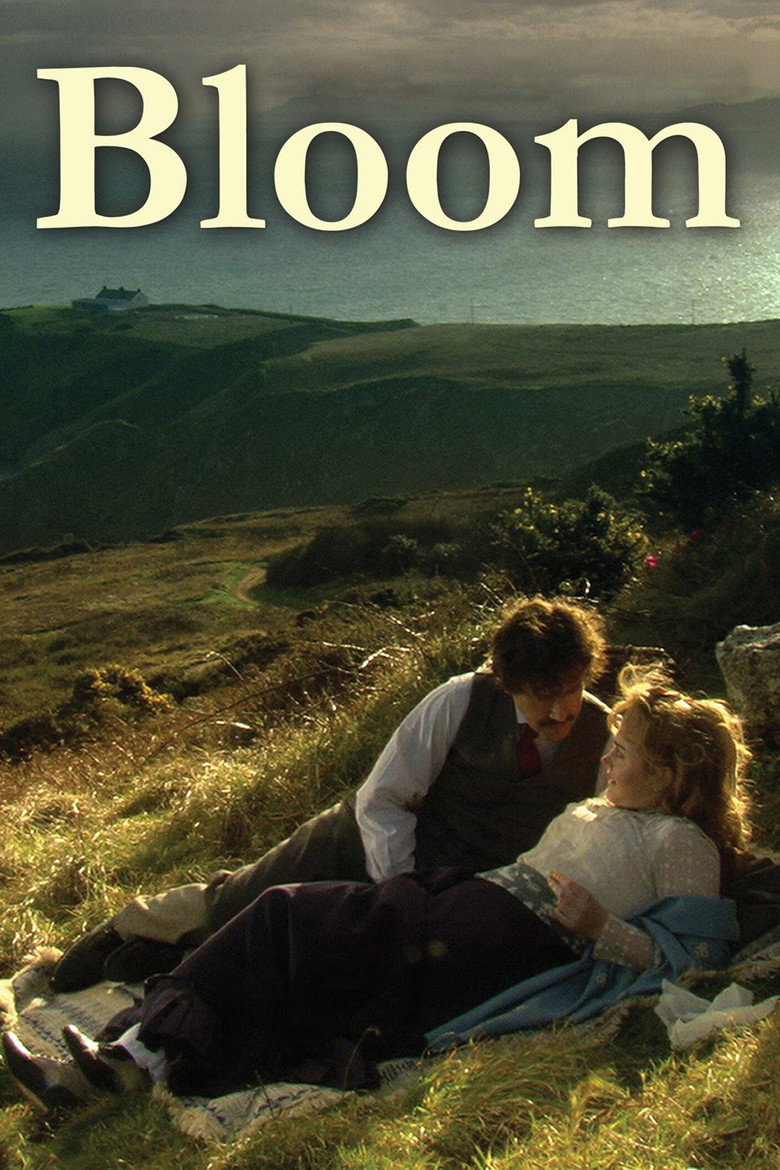 Bloom2003 · film · 113 min · dir. Sean Walsh · IMDb ↗IMDb5.5
Adapted from James Joyce's Ulysses, Bloom is the enthralling story of June 16th, 1904 and a gateway into the consiousness of its three main characters: Stephen Dedalus, Molly Bloom and the extraordinary Leopold Bloom.

